




Across industries — healthcare, financial services, manufacturing, government, and globalnonprofits — I hear a similar refrain: “We have strong leaders… but something isn’t translating into performance.” Teams are working hard. Strategy is defined. Expectations are high. And yet execution stalls. The issue is rarely intelligence or commitment. In today’s complex environment, leadership is no longer just about managing operations – it’s about empowering people to succeed in a constantly evolving landscape.
To meet production demands, improve efficiencies, and navigate transformation, leaders must develop essential skills to effectively lead dynamic teams and individuals to accomplish organizational outcomes.

Why Leadership Matters
Today’s leaders face unique challenges because the world is more complex – business is more complex, structures are more complex and people are more complex. This means today’s business problems are also more complex. Traditional command-and-control leadership styles often fall short when teams need to collaborate, adapt to change, and solve complex problems. Effective leadership in this context fosters trust, accountability, and empowerment at all levels.
Real-World Example: Coaching for Transformation
Consider the story of Sarah, a manager in a healthcare organization who faced challenges with one of her team members, James. James, a talented technician, lacked confidence, leading to inconsistent performance. Sarah adopted a coaching approach, holding regular one-on-one conversations to understand James’ goals, providing constructive feedback, and empowering him to problem-solve.
As a result, James was transformed into a confident leader, boosting team productivity and morale. However, different challenges require different approaches. For example, an employee who consistently misses time or a meeting dominated by a single voice necessitates a different
combination of skills, illustrating the need for a multifaceted leadership approach.
None of the pillars work as stand-alone skills to be used; often a combination is needed to get to the root. When leaders understand when and how to apply each role, they create an environment where employees feel empowered to contribute their best work, solve problems creatively, and take ownership of outcomes.
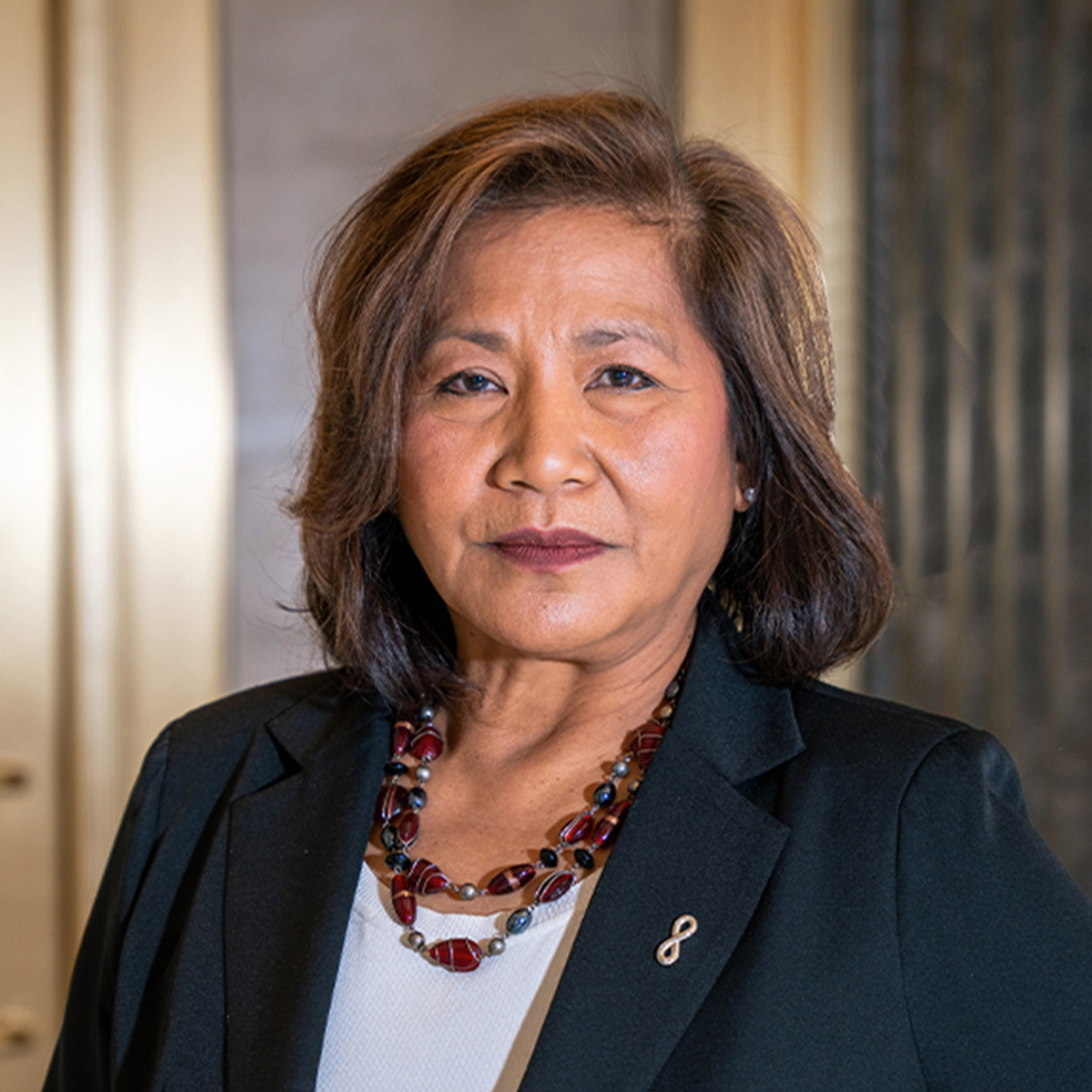
Terry Britton – Founder, Leadership Solutions
The Three Pillars of Leadership: Manage, Lead, and Coach
The MLC framework provides leaders with a structured approach to balance three critical roles:
Managing: Using a direct approach to ensure clarity and accountability.
Example: Enforcing non-negotiable elements such as safety standards or budget
guidelines.
Leading: Inspiring and rallying teams around a shared vision.
Example: Motivating employees during a restructuring by highlighting the benefits the
new structure.
Coaching: Developing others by asking insightful questions, listening actively, and
encouraging ownership.
Example: Guiding a team member to improve problem-solving skills instead of providing direct solutions.
None of the pillars work as stand-alone skills to be used; often a combination is needed to get to the root. When leaders understand when and how to apply each role, they create an environment where employees feel empowered to contribute their best work, solve problems creatively, and take ownership of outcomes. Balancing these roles enables leaders to address complex challenges and foster an environment where employees are motivated and empowered to excel.
Addressing Barriers to Effective Leadership
Resistance to leadership development often stems from misconceptions and organizational inertia:
The myth that “leaders are born, not made” undermines the potential for skill development.
Concerns about time investment overlook the long-term benefits of development in enhancing both morale and performance.
The MLC framework equips leaders with tools to overcome these barriers and establish leadership as a shared responsibility across all levels.
The ROI of Leadership Development
Investing in leadership development delivers measurable business benefits:
Reduces turnover by creating engaged and empowered teams.
Enhances creativity and innovation through improved collaboration and problem-solving.
Improves operational efficiency by fostering accountability and proactive decision-making.

Key Takeaways for Leaders
Leadership is Everyone’s Responsibility: Empowering all levels of leadership creates a
ripple effect of positive change.
Focus on Development, Not Just Results: Coaching builds skills and confidence that
lead to long-term performance improvement.
Adapt to Today’s Dynamic Environment: Balancing managing, leading, and coaching
is essential for navigating complexity and unlocking team potential.
Conclusion: Be the Change
As Mahatma Gandhi said, “Be the change you want to see in the world.” The MLC framework empowers leaders to embody that change by managing effectively, leading teams, and coaching individuals to reach their full potential. By investing in leadership development, organizations can thrive in today’s competitive landscape and ensure long-term success.